

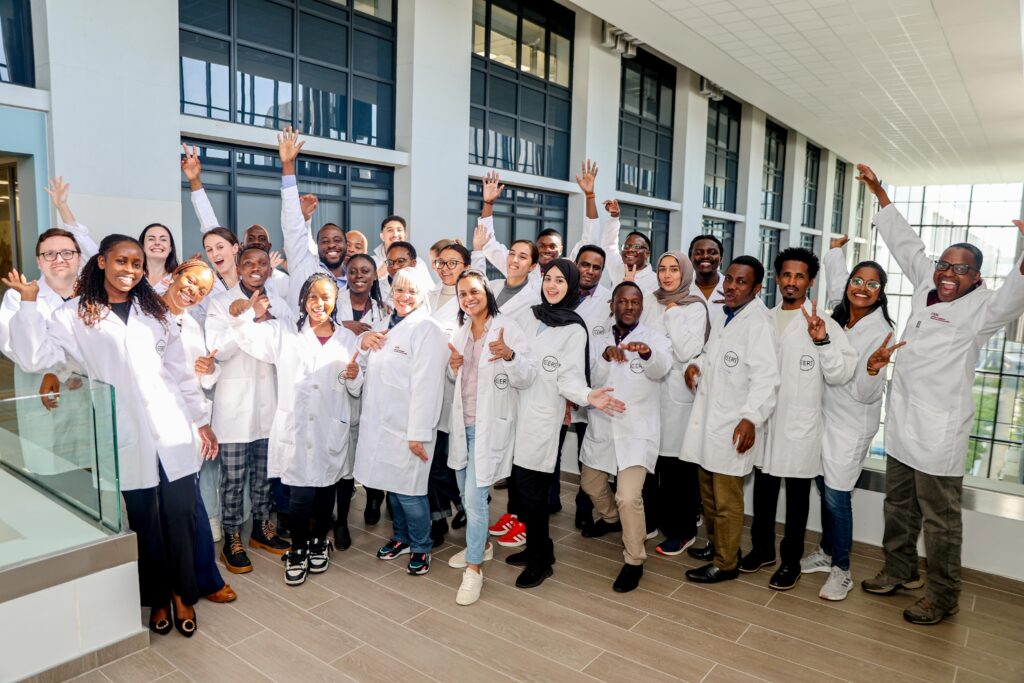
The Centre for Epidemic Response and Innovation (CERI) at Stellenbosch University and the Center for Africa’s Resilience to Epidemics (CARE) at the Institut Pasteur de Dakar (IPD) jointly announce the selection of 50 fellows from 20 African countries for the 2026 cohort of the African STARS Fellowship Programme, made possible in partnership with the Mastercard Foundation.
African STARS is a multi-track fellowship building advanced expertise in genomics, diagnostics, vaccine design and biotechnology entrepreneurship, with a continental pipeline of scientists trained to lead Africa’s response to its own health challenges.
From 20 countries, placed across two regions of the continent
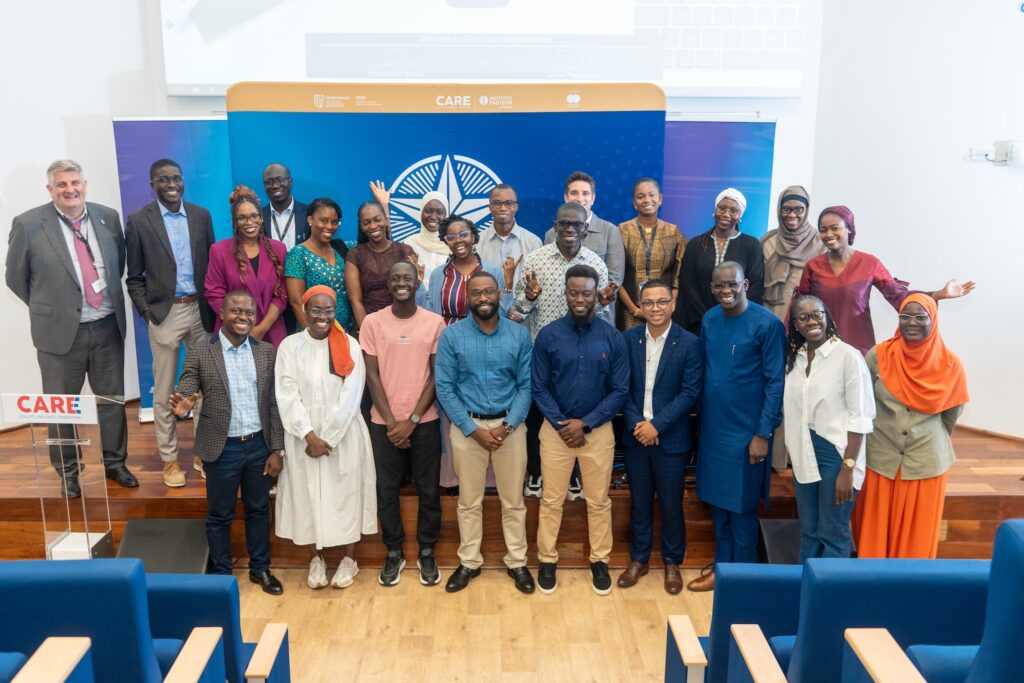
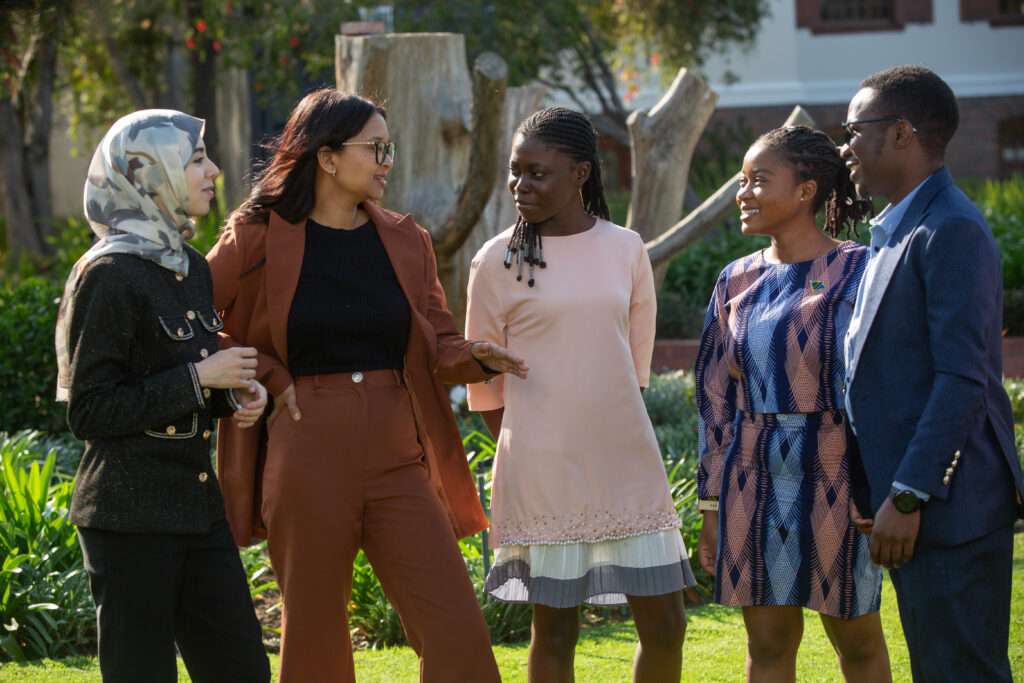
The 2026 intake comprises 29 fellows on the Advanced and Translational Training (ATT) track and 21 on the Young Professional Programme (YPP) track, hosted at CERI in Stellenbosch (25 fellows) and CARE-IPD in Dakar (25 fellows). Fellows represent 20 African countries – Benin, Botswana, Cameroon, Central African Republic, Egypt, Ethiopia, Ghana, Kenya, Malawi, Nigeria, Republic of the Congo, Senegal, Sierra Leone, South Africa, Tanzania, The Gambia, Tunisia, Uganda, Zambia and Zimbabwe – reflecting the programme’s commitment to continental reach.
The ATT track offers four months of intensive training in advanced genomics, diagnostic design and vaccine manufacturing; the YPP delivers twelve months in biotechnology innovation and entrepreneurship, including placements at commercial companies and innovation hubs. Together, they reflect the programme’s dual mandate of scientific excellence and translational impact, while strengthening the scientific institutions, research ecosystems and innovation networks needed for Africa to respond to future health challenges.
The cohort’s expertise spans molecular diagnostics, genomic epidemiology, antimicrobial resistance, vaccine development, bioinformatics, pharmacogenomics, One Health research, wastewater-based surveillance and health technology entrepreneurship. Several fellows arrive with active research programmes, biotech founding roles or government health system positions – evidence that the fellowship attracts established scientists alongside early-career researchers.
The ambition fellows bring to the programme is clear. Christianah Oki, an incoming ATT fellow from Nigeria joining CARE-IPD in August, captures it well: “The solutions to public health problems in Africa must be designed by African scientists.” Through African STARS, I will turn genomic insights into accessible diagnostic tools and mentor emerging researchers to build a self-sustaining scientific community that keeps our brightest minds on the continent.Beyond individual achievements, the programme is building a growing network of scientists, innovators and institutions working together to strengthen Africa’s research, manufacturing and epidemic preparedness capabilities.
A Pipeline Producing Results: Programme Impact to Date
Since its first intake in 2025, African STARS has trained 54 fellows – 27 female and 27 male – aged 25 to 35 years. CERI’s wider training ecosystem has now reached more than 900 scientists, while CARE-IPD brings over a century of institutional expertise and more than 3,000 participants trained from 50+ countries.
Fellows are already generating measurable impact. At CERI, Dr Monique Barnard-Matthee secured a three-year NRF grant to advance mRNA vaccine manufacturing automation using the only Tecan Fluent® system of its kind on the continent; and Kennedy Mulungu was selected from more than 900 international applicants as one of only 10 young innovators to present at the UN Science, Technology and Innovation Forum in New York, engaging WIPO and the American Society of Mechanical Engineers on commercialisation pathways for African biotech.
Through CARE-IPD, Marième Samb Traoré developed a panfilovirus rapid diagnostics test, integrating fundraising, financial sustainability and stakeholder engagement to position it for population-scale implementation; and Dr Emmanuel Saidu, leading the high-consequence pathogen diagnostics lab for the US CDC and University of Texas Medical Branch at Njala University, contributed to Sierra Leone’s national biosample transportation guidelines and, with Africa CDC, developed data systems for High-Consequence Agents and Toxins to strengthen national biosafety preparedness.
For Kennedy, the experience was transformative: “African STARS has been the foundation of my transformation from scientist to entrepreneur. It equipped me with critical skills in innovation, commercialisation, venture building, leadership, and product-market strategy.”
It is this kind of trajectory that the programme was designed to produce. As Prof Tulio de Oliveira, Director of CERI at Stellenbosch University, puts it: “Africa cannot depend on others to build its scientific infrastructure. Our role is to ensure that talent has the training, the networks, and the platforms to lead. The results from our first cohort confirm that this model works. With the continued partnership with the Mastercard Foundation, we are hosting a new cohort of 50 STARS fellows.”
Continuity and Growth: Positioning the 2026 Cohort
African STARS spans four tracks. Alongside ATT and YPP, the MBA in Healthcare Leadership – developed with Stellenbosch Business School – is a 24-month degree equipping health professionals with governance, finance and management skills for systemic change. The MSc in Bioinformatics of Infectious Diseases and Pathogen Genomics is a two-year research degree through Stellenbosch University, mentored by world-class scientists and designed to produce Africa’s next generation of bioinformatics leaders. Together, the four tracks meet African scientists at every career stage.
The 2026 ATT and YPP cohort brings the programme’s cumulative fellow count across all tracks to 105, drawn from sub-Saharan Africa, North Africa and the diaspora. With $9 million in initial funding and thousands of expected applicants across its lifetime, African STARS stands not only as a training programme but as a signal of what sustained investment in African science can achieve. As Isha Fatma Njai, Head of CARE-IPD, puts it: “Through the African STARS Fellowship, we are giving talented young people across Africa the chance to advance their skills, expand their networks and step into careers that might otherwise have stayed out of reach. This is the result of passionate teams and institutions that care deeply about advancing the next generation and strengthening our collective sovereignty in health and science. We encourage all partners with this shared vision to join us in investing in a future built by Africa’s own talent.”
About the Partnership
African STARS is delivered through a joint partnership between CERI at Stellenbosch University and CARE at the Institut Pasteur de Dakar – two of the continent’s leading centres for infectious disease research, genomics and vaccine science. Made possible in partnership with the Mastercard Foundation, in alignment with its Saving Lives and Livelihoods initiative, the programme combines CERI’s strengths in genomic surveillance and translational science with IPD’s expertise in vaccine development and epidemic preparedness, providing fellows with a genuinely Pan-African training environment.
The 2026 cohort commences training in August 2026. Full fellow profiles are available at www.starsfellows.africa.
MEDIA ENQUIRIES
- CERI / Stellenbosch University: maambele@sun.ac.za
- CARE / Institut Pasteur de Dakar: demba.gueye-ext@pasteur.sn